EarthHQ

U.S. Launches the Critical Minerals Ministerial
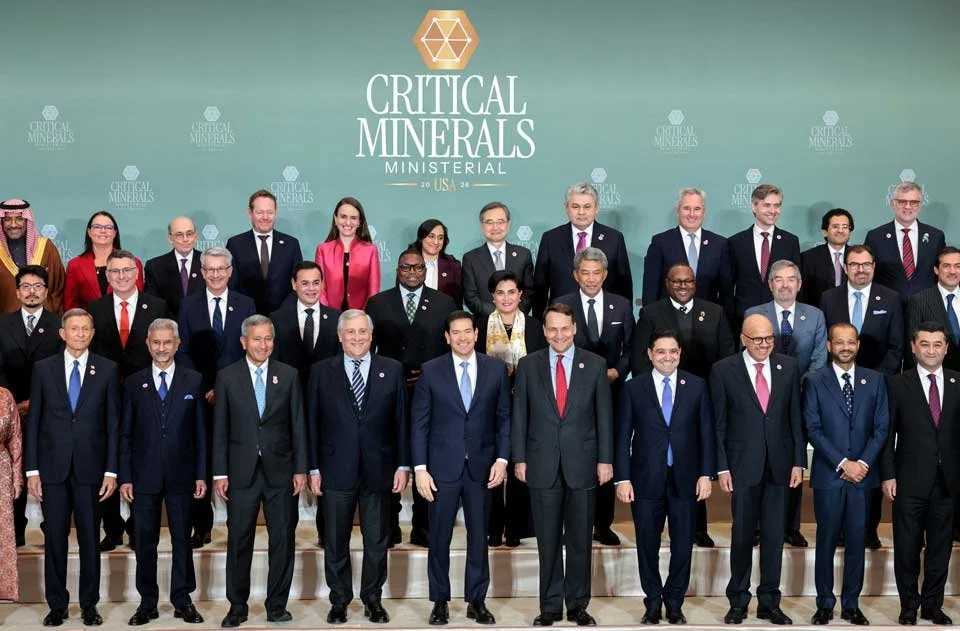
On February 4, 2026, the United States convened a high-stakes gathering of global leaders as Secretary of State Marco Rubio hosted the 2026 Critical Minerals Ministerial, drawing representatives from 54 countries, including 43 foreign ministers, to Washington. The summit tackled a pressing geopolitical concern: the world's dependence on a handful of nations for the rare earths and critical minerals that power everything from smartphones to missile systems. With supply chains heavily concentrated, the ministerial produced a flurry of diplomatic activity, as the U.S. signed bilateral agreements with eleven countries spanning four continents, from Argentina to Uzbekistan, while forging new cooperation frameworks with major allies including the European Union, Japan, and Mexico.
Behind the diplomatic handshakes lay serious money and ambition. The Trump administration has mobilized over $30 billion in investments, loans, and support over the past six months to break China's stranglehold on critical mineral supply chains. The ministerial launched FORGE, a new forum on resource strategy, and threw its weight behind Pax Silica, a private-sector initiative aimed at building out mining, refining, and recycling capacity across allied nations. Tensions emerged over how far governments should go to protect these nascent industries. Australia pushed hard for price floors to shield producers from predatory pricing, the Trump administration appeared to cool on guaranteeing minimum prices, highlighting the delicate balance between free-market principles and strategic security imperatives. Read more: 2026 Critical Minerals Ministerial - United States Department of State
Photo Credit: Jonathan Ernst/Reuters
Policy Desk

U.S. House Advances Bipartisan Push to Strengthen Supply Chains

Rwanda Builds Global-Scale Tungsten Production Amid Conflict Mineral Scrutiny

U.S. House Moves to Close Cloud Loopholes in U.S. Tech Export Controls
During the World Economic Forum in Davos, EarthHouse partnered with Nigeria House to convene the Africa Critical Minerals Forum, addressing a critical question: What sources will supply the critical minerals required for AI infrastructure? The forum brought together Nigerian government officials from the Ministry of Solid Minerals Development, mining executives, global investors, and international leaders to discuss Africa's role in meeting exploding demand with the backdrop of U.S.-led critical mineral agreements with African countries.
The forum brought together Engr. Faruk Yusuf Yabo, Permanent Secretary of Nigeria's Ministry of Solid Minerals Development; Mr. Martin Imonite, CEO of Nigerian Mining Corporation; Ms. Morounke Olufemi, Special Adviser to the Honorable Minister; and Ms. Elizabeth Sekaggya, President of the Chamber of Commerce and Industry Swiss Uganda, alongside mining executives, global investors, and international leaders.
Africa holds 40% of global cobalt reserves, 50% of global manganese, and major deposits of copper, lithium, and rare earth elements, yet attracts only a fraction of global exploration investment. The forum explored how African mineral projects can scale rapidly through partnerships, blended finance, and offtake agreements.
World Economic Forum 2026:
Africa Critical Minerals Forum
Nigeria House x EarthHouse Panel on Opening Day of Nigeria House, World Economic Forum 2026
Photo Credit: Nigeria House
Every hyperscale data center requires approximately 2,000 tons of copper, plus rare earth elements for cooling and lithium for backup systems. With demand projections showing 500% growth by 2050 and China processing roughly 80% of rare earth elements, tech companies and governments are scrambling to diversify supply chains.
As AI infrastructure expands and data centers are built now, the minerals needed are either waiting for investment or locked in supply chains that can't scale fast enough.
Nigeria's historic debut at Davos, attended by His Excellency Kashim Shettima, Vice President of the Federal Republic of Nigeria, signals the continent's growing leadership in this critical conversation about building resilient supply chains proactively rather than facing shortages reactively.
Video Recap of Arica Critical Minerals Forum: https://www.youtube.com/watch?v=tOGPKiDkTe4 (Arise News)


Minerals Intel

Strategic Minerals Surge as U.S. Defense Spending Fuels Critical Metals Race

Push to Rebuild Critical Mineral Supply Chains Gains Momentum

U.S. Uranium Giant Moves to Acquire Australian Miner in Bid to Secure Critical Rare Earth Supply
Energy Intel

Google Parent Company to Buy Data Center and Energy Infrastructure Company
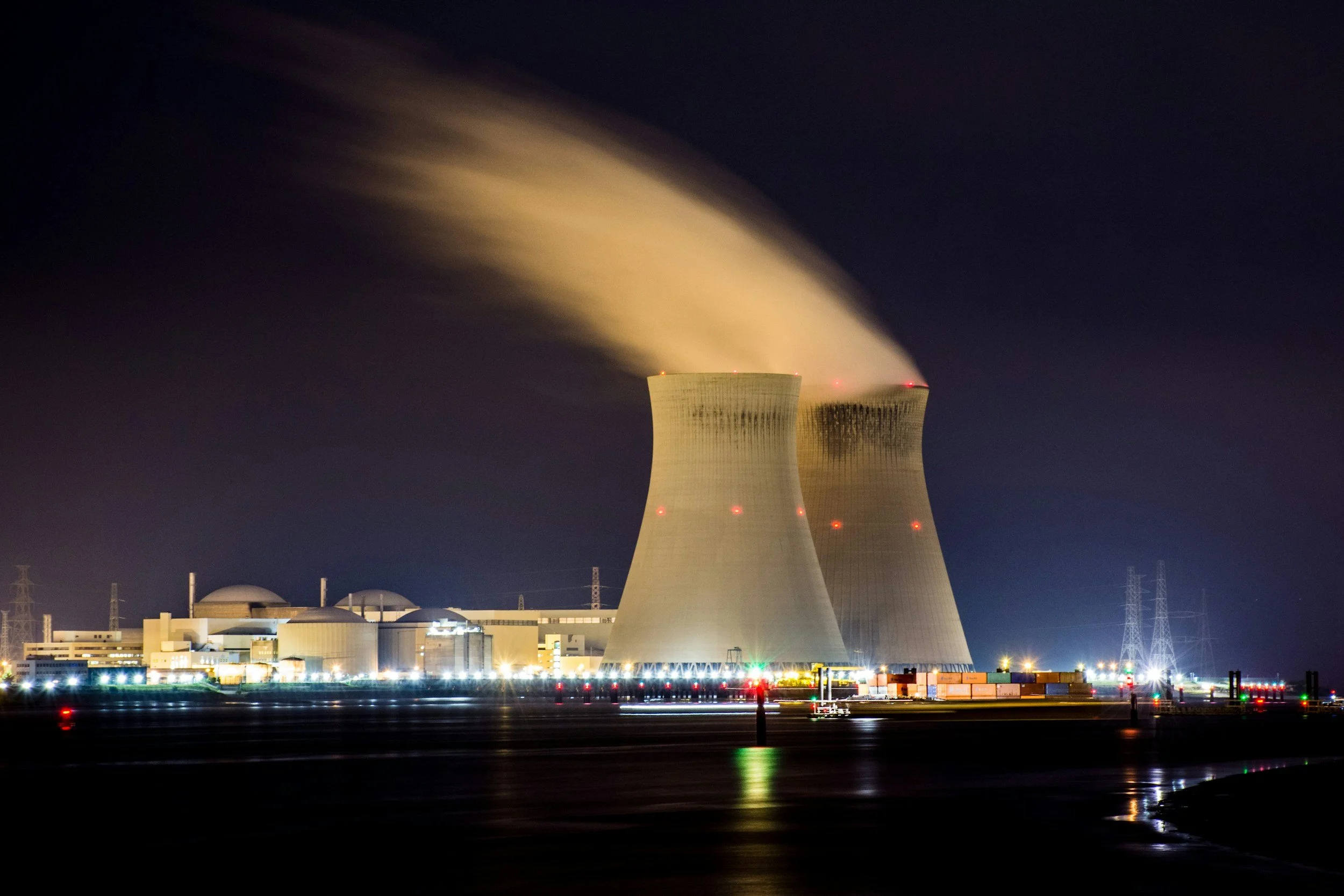
Global Nuclear Revival Highlights Stark Gap in Building Capacity

LG Energy Solution in Talks to Power Tesla’s Optimus Humanoid Robot
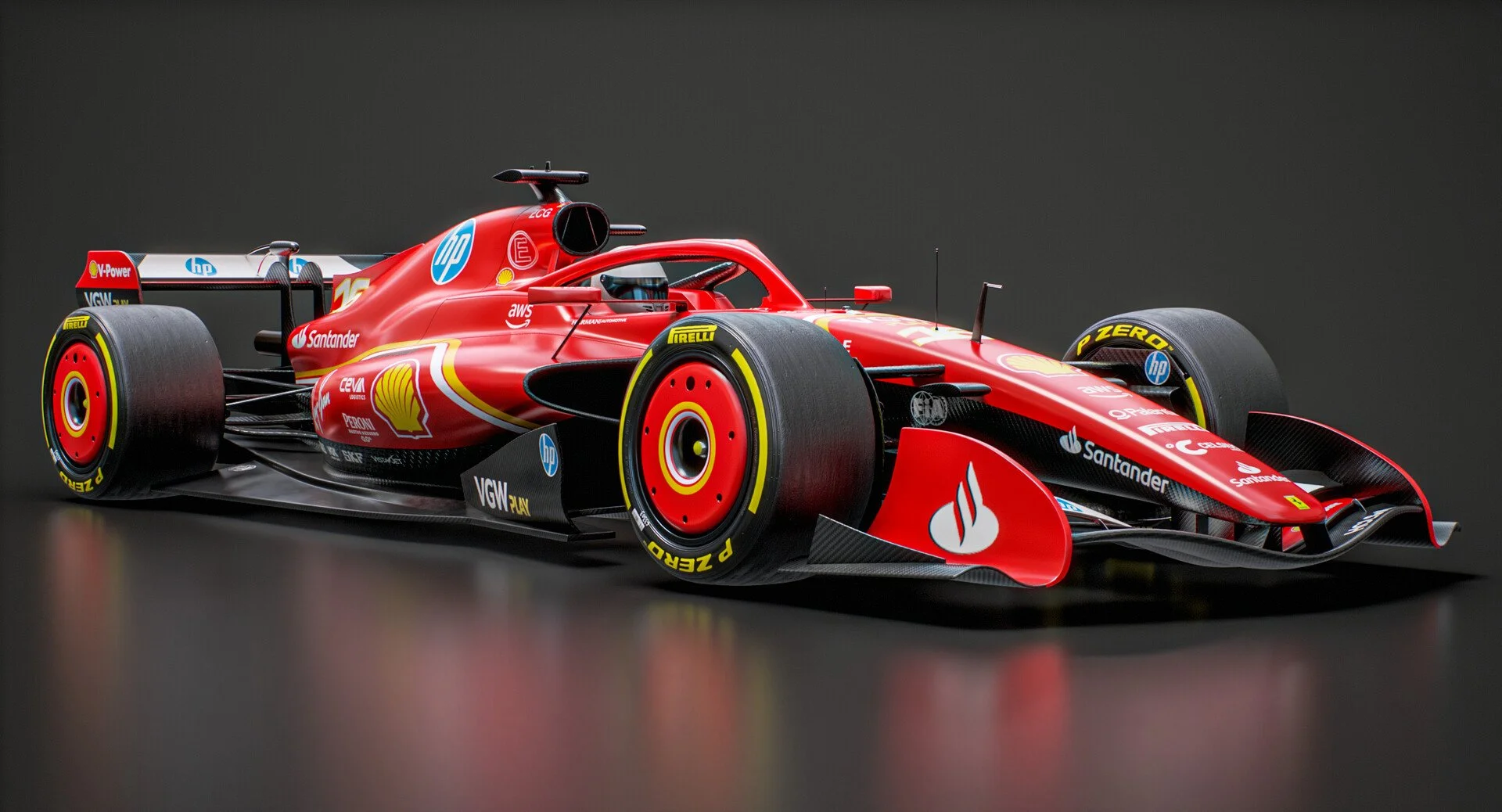
The Drive: The New Hybrid Era of F1
Formula 1’s New Hybrid Era: Why the 2026 Power Unit Reset Matters Beyond Racing
Why the world’s fastest sport just became one of its most strategic technology platforms
This year, Formula 1 looks like pure velocity: carbon fibre flashing past, engines screaming, data flowing faster than thought. However, underneath the spectacle, F1 has always been a quieter story about limits, fuel, grip, time, attention. In 2026, it becomes something more consequential: a global-scale laboratory for hybrid energy systems, sustainable fuels, and performance regulation under real competitive pressure.
The new regulations, agreed after years of negotiation between teams, manufacturers, and regulators, usher in what insiders are already calling Formula 1’s New Hybrid Era. It is not a radical break, and it is not a clean revolution. Instead, it is something more reflective of the world outside the circuit: a careful, contested rebalancing between combustion, electricity, and responsibility.
Not the end of the engine
The internal combustion engine does not disappear in 2026. It remains a 1.6-litre turbocharged V6, familiar in outline if not in detail. What changes is its role.
For the first time, roughly half of a Formula 1 car’s power will come from electrical energy. The rest comes from burning fuel, now fully sustainable by regulation. One of the most complex components of the current hybrid era, the MGU-H, is removed altogether, simplifying the architecture and lowering the barrier for new manufacturers to enter the sport.
This matters because Formula 1 does not exist in isolation. The companies building these engines are the same ones making long-term decisions about factories, supply chains, and skills. The 2026 rules acknowledge a reality many industries are grappling with: progress often arrives through hybrid solutions, not absolutes.
Energy as a human decision
On track, the shift will be felt most clearly by the drivers.
Overtaking, long assisted by the Drag Reduction System, will now depend on how a driver and their engineers manage electrical energy.
Instead of opening a rear wing, drivers will deploy an Overtake Mode, relying on stored electric power at critical moments. Energy becomes something personal again.
This subtle change signals a pivotal moment in time. The most technologically savvy sport on Earth will have human decision-making still at the very core.
A strategic reset, not an incremental upgrade
The 2026 regulations mark the biggest power unit reset since 2014. While the 1.6-litre turbo V6 remains, the philosophy changes dramatically:
Roughly 50% of power will come from electrification
The complex and costly MGU-H is eliminated
Electric deployment is essential to race performance
Cars leverage advanced sustainable fuels
The message is clear: the future is not binary (electric vs combustion), but hybrid, optimized, and system-level.
For governments and capital allocators, this mirrors the real economy far more closely than all-or-nothing transitions.